Why good ideas stall — and what structure changes
Most projects do not fail for lack of creativity. They stall in the gap between a strong idea and the structure needed to carry it.
Read articleBefore venues, vendors and visuals, a successful event starts with five clear answers. Here is the checklist we begin with.
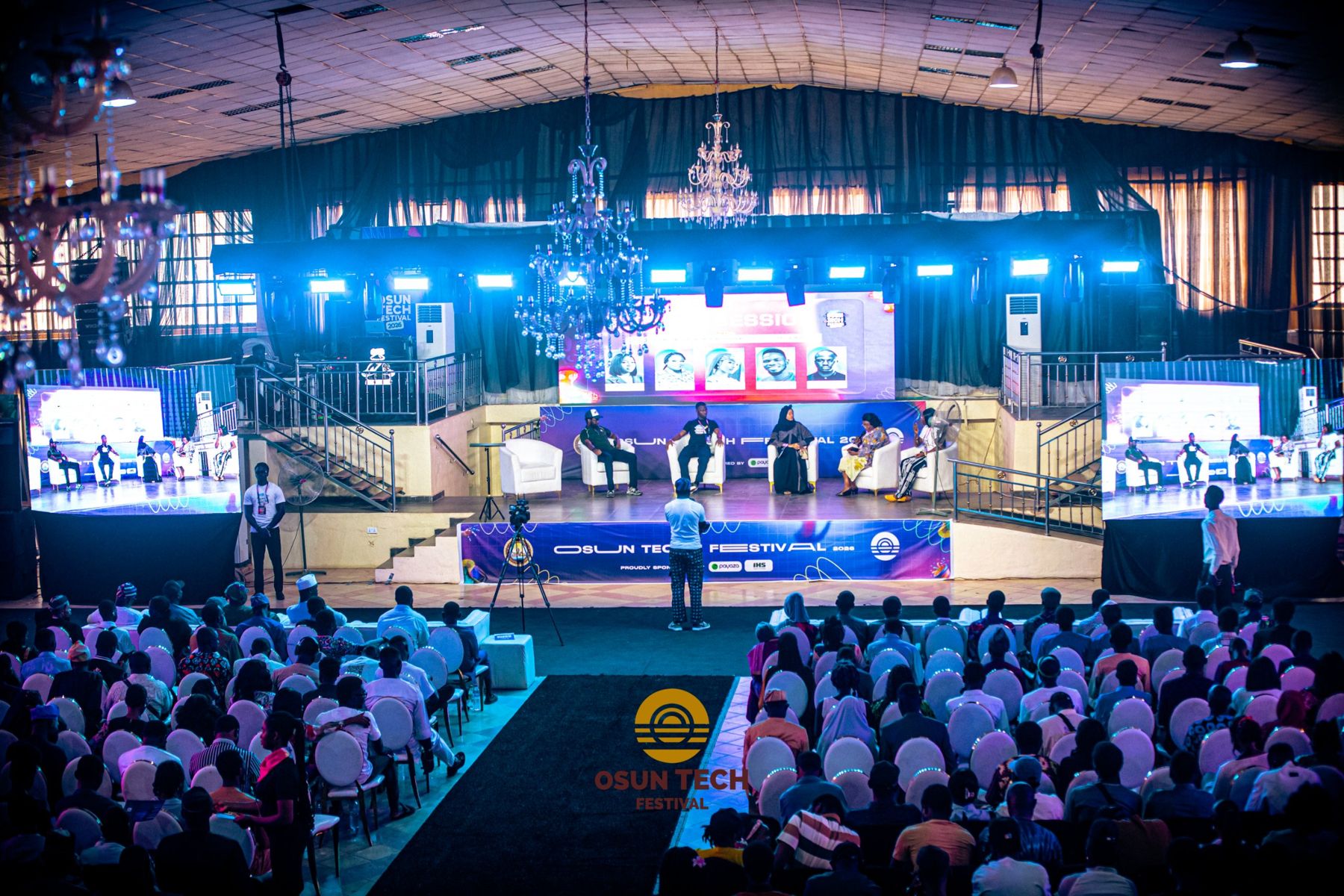
Events have a fixed date, so every delay is felt. The best way to protect the day is to answer a few questions properly before any vendor is booked.
Awareness, sales, partnerships, community, recognition? Pick the main outcome. It shapes the programme, the guest list and how you will measure success afterwards.
Define the audience precisely — and the speakers, partners and guests whose presence makes the event credible. Everything from the venue size to the seating plan follows from this.
Map the guest journey: invitations, registration, arrival, sessions, breaks, networking and follow-up. Gaps in this journey are where events feel disorganised.
Venue, stage and lighting, AV, content, guest management, media, security, catering. Every workstream needs one owner and one deadline, tracked in one plan.
Decide before the event what you will review afterwards — attendance, feedback, leads, coverage, partner satisfaction — so evaluation is part of the plan, not an afterthought.
Answer these five well, and the creative and logistical decisions that follow become far simpler.

Practical thinking on project management, creative direction and execution. Once a month, no noise.
Most projects do not fail for lack of creativity. They stall in the gap between a strong idea and the structure needed to carry it.
Read articleCreative direction is less about taste and more about keeping every creative decision connected to the objective of the project.
Read articleTell us what you are trying to build, improve or execute. We will start by understanding the objective and identifying where Optivance can add value.